
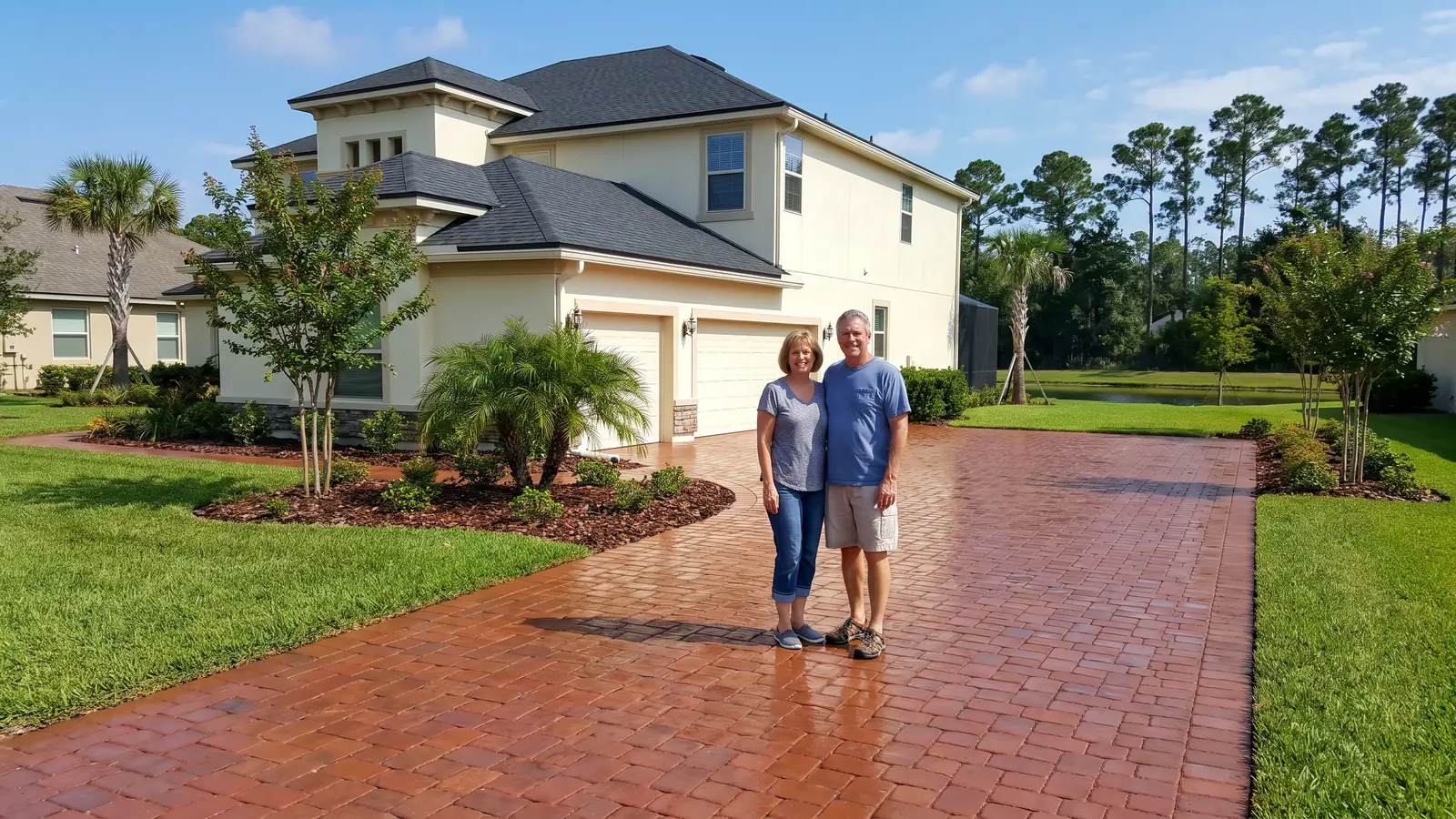
Paver sealing for Conway homes
Paver Sealing in Conway, FL
Pavers near the Conway lakes can look clean and even again: call (689) 334-1209 for a free estimate.
- Brings out deeper paver color
- Fresh joint sand helps lock pavers in place
- Gives weeds less room to grow
- Makes the surface easier to keep clean
- Free estimate, no obligation
Request a Free Estimate
Free, no obligation.
Fast, careful paver sealing in Conway
Paver sealing in Conway starts with one visit to the lot. After that, a contractor treats, washes, re-sands and seals whatever needs it. Request the visit with send in the short estimate form, and expect a reply inside 1 business day, usually much sooner. Lakes, Conway Road and Curry Ford Road are all in range.
Walk out to the patio near the water and look down. You may see a gray haze, green in the joints and a few weeds along the edge. A good wash, fresh sand and a new coat bring one steady color back, and the weeds have nothing to hold. To talk it through first, call (689) 334-1209 and describe the water side of your yard.
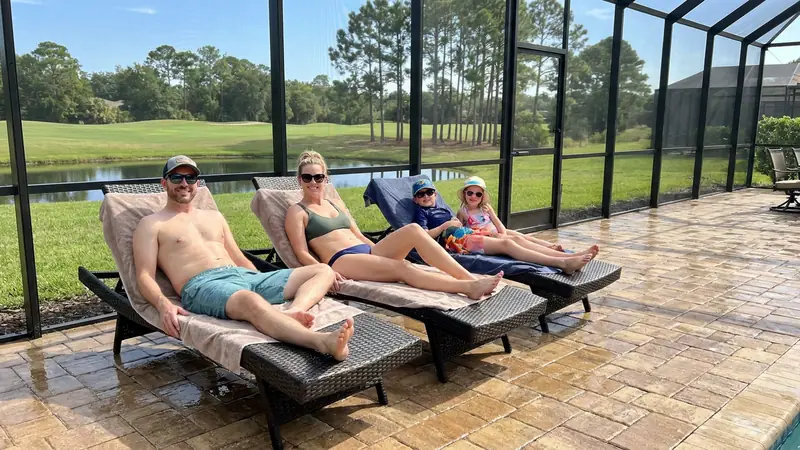
Why hire a local paver sealing contractor in Conway?
Conway is built around a chain of lakes that was once a single lake, so water is part of nearly every yard. To see how a sealing day is planned around that, send in the short estimate form.
A plan for the shoreline
The contractor looks at the lakeside edge of your Conway lot and says how rinse water will be handled.
Published numbers
Expect $1.50 to $3.00 for each square foot cleaned, sanded and sealed, a range Central Florida firms list. Hold your bid up to that.
Grip first on wet decks
Decks near water need a finish chosen for traction. Matte also hides scuffs better than a wet look.
Decide at your pace
Pick the date and finish, or walk away. A Conway estimate never locks you in.
Get Your Free Estimate in Conway
Tell us about your pavers in Conway.
Free, no obligation
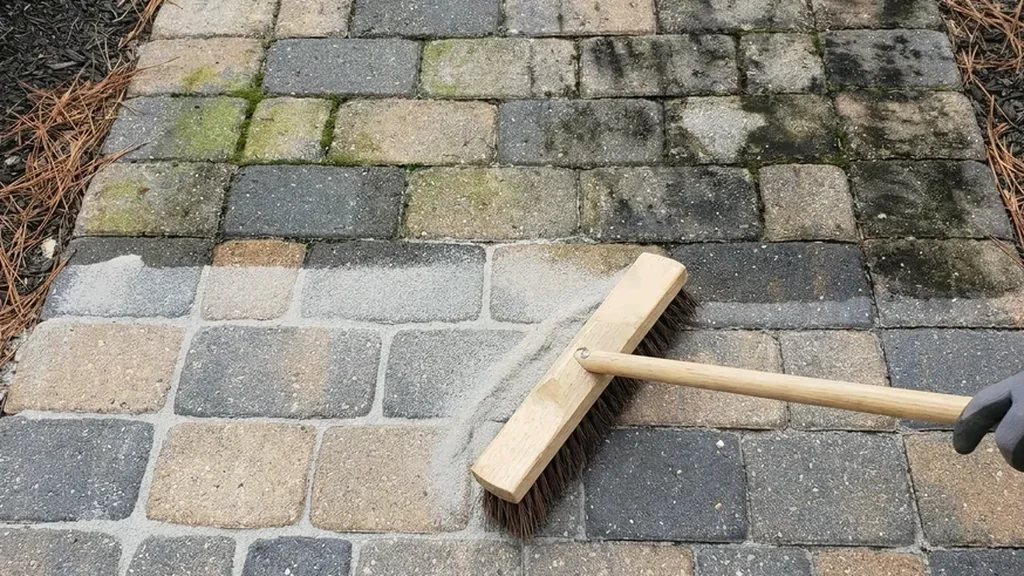
What paver problems show up most in Conway?
Moisture that hangs around lake yards
Seasonal rains once joined the Conway lakes into one big lake, and canals still tie them together. Water covers about 4.7 percent of Conway, and nearly 3 square miles of next-door Belle Isle. Yards near the shore stay humid and damp. Pavers that stay wet pick up film and algae, and sealer needs a dry surface to bond. Low corners and spots by a seawall often show the first signs. Patches that stay dark and damp are worth mentioning when you ask for the quote. Sealer will not fix a wet spot, so that corner gets its own plan. Canals link North, Middle and Little Lake Conway, so open water reaches deep into the neighborhood. North, Middle and Little Lake Conway each have their own shoreline, so the damp-air effect reaches many streets, not only the waterfront.
Slick decks and dock walks
Green film turns a patio or dock walk slick when wet. Splash from the water and from a pool keeps these surfaces damp. A Central Florida paver page warns that a glossy film-forming sealer on a pool deck can trap moisture and create a slip hazard. That is why the finish matters as much as the wash on pavers where people walk barefoot. Bare feet and wet shoes make this more than a looks issue. Ask the contractor what finish keeps grip on your decks and walks. A wash that leaves a trace of film makes the deck slippery again within weeks. Crittenden's Dock has drawn swimmers and boaters since the 1880s, and docks are still part of life on these lakes. Dock walks and steps are where slick film does the most harm. The Native name for the region, Okehitanatchee, means land of fair waters, which is a fair summary of the setting.
Joint sand lost to summer storms
Lake country gets its rain in a rush. Most of Orlando's yearly total falls from late May on, and the storms tend to arrive in the afternoon. Hollow joints invite soil, and weeds root in it. A drive that looks fine in May may be ragged by the end of summer. Sand loss is easy to spot after a storm, because the joints look hollow. Replacing it is part of any proper clean-and-seal. The effect builds quietly all summer, which is why spring is a good time to check. Conway sits at about 102 feet of elevation, and heavy rain still runs off roofs and slopes toward the lakes. That runoff carries sand with it. Ask the contractor to check the joints at the low end of the drive first.
Rinse water headed for the lake
Canals link North, Middle and Little Lake Conway, and the county keeps a public boat ramp on Randolph Avenue. Open water is never far from a Conway patio. Cleaners and wash water on a lakeside yard can run toward the shore if no one plans for it. A careful contractor aims rinse water at the lawn and beds, treats algae in place and keeps soap off the lake side. Ask how the wash will be handled at your property. If your yard slopes to the shore, say so at the estimate, since rinse water follows the slope.
Pavers older than the current owner
Conway held 13,159 people in 1990 and 13,596 in 2020, so the area is long settled. Many pavers here likely went down years ago, and a past owner may have used an unknown sealer. Laying water-based sealer over a solvent-based coat does not work. The old product has to be named before a new one is chosen. A sealer that is peeling, cloudy or patchy is a clue that an earlier coat is still there. Share any old receipts you find. Bring up anything you remember about the last sealing. Flaking or milky spots hint that an older coat remains underneath. Share any old receipts you find, and bring up anything you remember about the last sealing. The population has stayed between 13,000 and 14,400 for thirty years, which fits a long-settled place with older pavers. The brick Conway Road was one of the first five paved highways in Orange County, so the area has had hard surfaces for a long time.
Does paver sealing change from the lakes to Conway Road?
It can, because conditions shift a lot over a short distance in Conway. Lakeside lots deal with humidity, splash and slick film, while homes along Conway Road and Curry Ford Road deal more with traffic dirt and sun. That mix is why one flat price rarely fits two Conway yards. Tell the contractor which part of Conway you live in when you send in the short estimate form.
The chain of lakes is split into North, Middle and Little Lake Conway by Hoffner and Nela Avenues. Canals link them, so many yards sit near open water. Pavers there may stay damp longer than pavers farther inland, which means more drying time before sealing. Call (689) 334-1209 and mention how close your yard is to the shore.
Conway has about 5,464 homes, and the population has stayed near 13,000 to 14,000 since 1990. Streets that old tend to hold pavers with a long paper trail, or none at all. A quick look for earlier coats and thin sand belongs before any quote. Once you are set, send in the short estimate form and say how long the pavers have been in.
What does paver sealing cost in Conway?
Damp lakeside pavers can cost more than dry inland ones, since they need more washing and more drying time. A dry, open drive sits near the low end of what firms quote. To put a price on your Conway patio or drive, send in the short estimate form, because the estimate is free.
A pool deck needs a sealer chosen for grip, which can change its price from a plain driveway. Patios behind narrow side gates take more hand work than a wide open drive. Call (689) 334-1209 to hear which of these fit a Conway lake lot.
| Paved area | Typical example | Clean, sand and seal |
|---|---|---|
| 300 sq ft | Small patio or walkway | $450 to $900 |
| 600 sq ft | Two car driveway | $900 to $1,800 |
| 1,000 sq ft | Large driveway or pool deck | $1,500 to $3,000 |
| 1,500 sq ft | Driveway plus pool deck | $2,250 to $4,500 |
Math based on the $1.50 to $3.00 per square foot that Central Florida paver companies published as of November 2026. Your contractor sets the actual price after seeing the surface. Repairs, leveling and stripping failed sealer are usually extra.
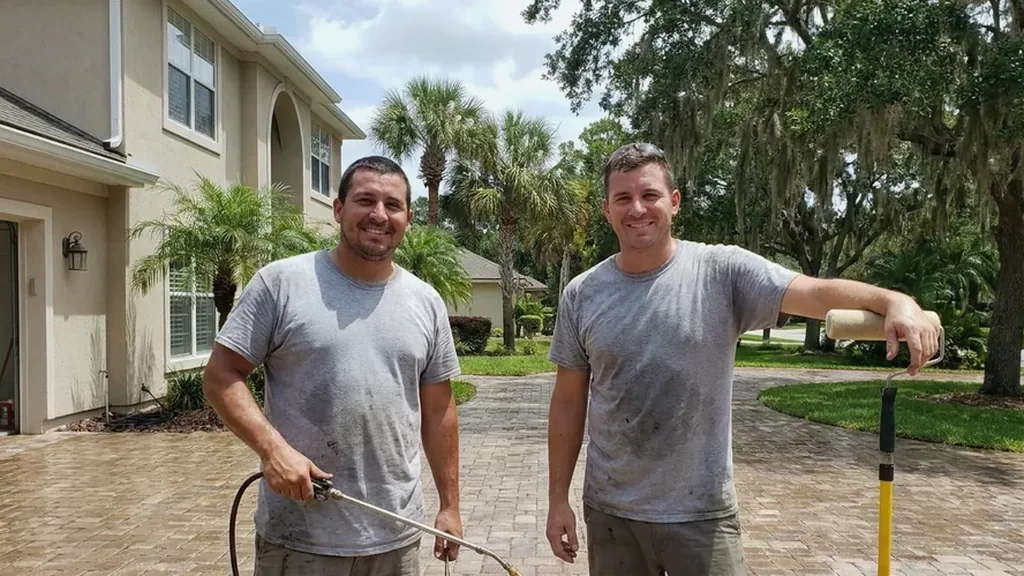
How does a paver sealing job work in Conway?
Check the lot and the water
The contractor sees how close the shore is and where water collects on your Conway pavers. Sunken spots by a seawall or dock are marked for repair. Ask what was used before, since a water-based sealer fails over a solvent-based one. Take notes on any spot where water pools, since that often points to a low paver. A walk along the shoreline edge also shows how far the pavers run, which sets the size of the quote.
Wash away the lake film
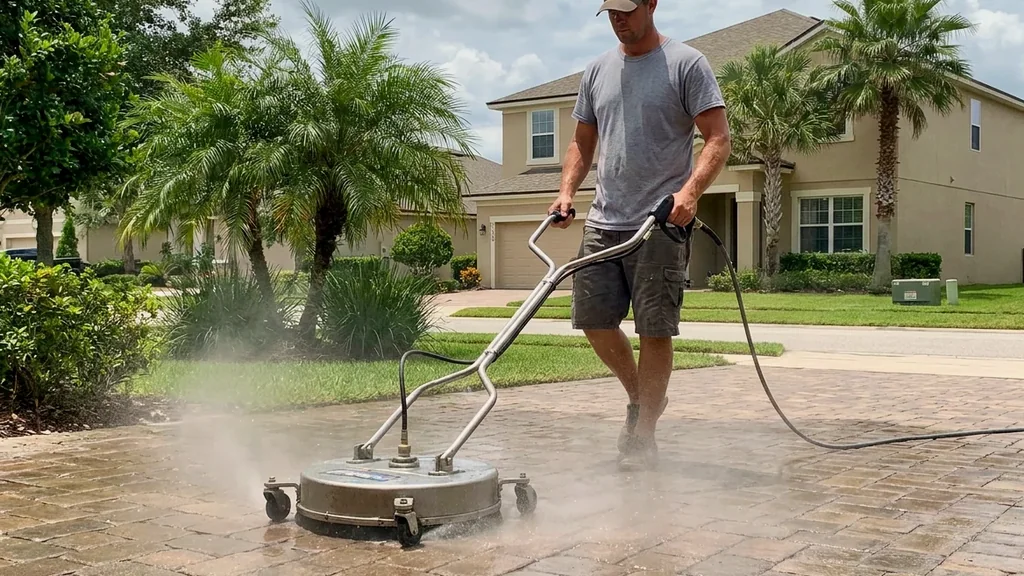
Algae treatment goes first on pavers that stay damp near the water. Then comes a wash for green film, gray haze and rust lines. Rinse water stays off plants and away from the shoreline. Dock walks and steps get extra care for footing.
Fill the joints
Fresh sand goes into the joints after the wash, and a sweep clears the surface. Joints packed with sand hold the pavers in line under cars and carts. After a long wet summer, the joints take more material. Fresh sand also keeps the pattern tight under cars and carts.
Give damp pavers their time
Lake-side pavers can hold moisture long after a sunny drive has dried. The contractor checks by hand and waits when a corner is still cool. Afternoon storms in the wet months may move the date. Cool, shaded corners are the last to dry, so they get the final say.
Choose the finish by surface
One Central Florida page says pool decks usually get a penetrating sealer with a non-slip additive, while a drive can take matte or a wet look. That page adds that people can usually walk on it after 24 to 48 hours and drive on it after about 72. Pets, bikes and boat trailers wait until the contractor gives the word. Keep guests off the deck until the contractor says it is ready.
Complete paver services in Conway
Lake jobs run in a fixed sequence of treat, wash, fill, dry and coat. Rushing the dry stage is the shortcut that can cloud a finish. For the timeline on your pavers, call (689) 334-1209.
A dock walk, a lanai floor and a driveway do not age alike. Water and shade work on the first two, tires and sun on the third. The contractor plans each one on its own. List your surfaces when you send in the short estimate form, and the plan follows.
Two product families exist, water-based and solvent-based, and an old solvent coat limits the choice. After that comes the finish. Matte shows fewer scuffs, and a wet look deepens color and shows wear sooner. Call (689) 334-1209 to work out the right pick for a deck, a walk or a drive.
Central Florida's wet season starts around late May and runs about five months, and the drier months from mid-October leave room for a clean run. Pavers near the lakes may need extra time in any season. For a date that fits your yard, send in the short estimate form.
Questions to ask before you hire
- What does the price include, and what costs extra, like stripping an old coat?
- How do you decide between a natural finish and a wet look sealer for my pavers?
- Can you work around my screen enclosure, sprinkler heads and landscaping?
- What happens if it rains the day after you seal?
- What do you do about the white haze that keeps coming up through my pavers?
- How long do my pavers need to dry after a summer storm before sealer goes on?
- Will the sealer make my pool deck slippery when it is wet?
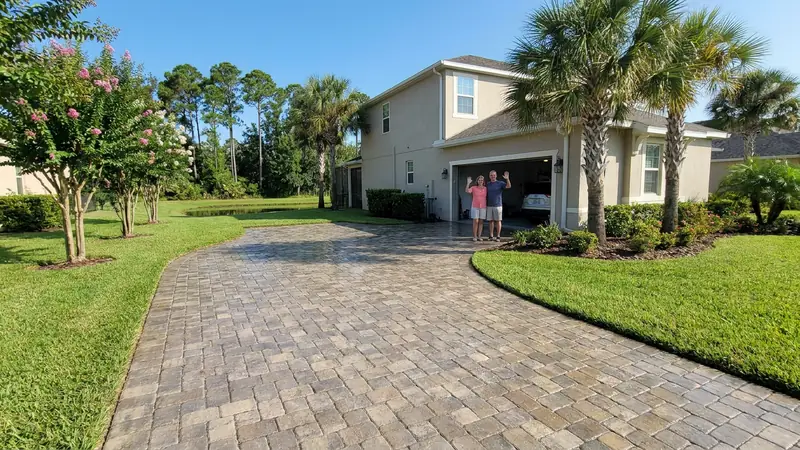
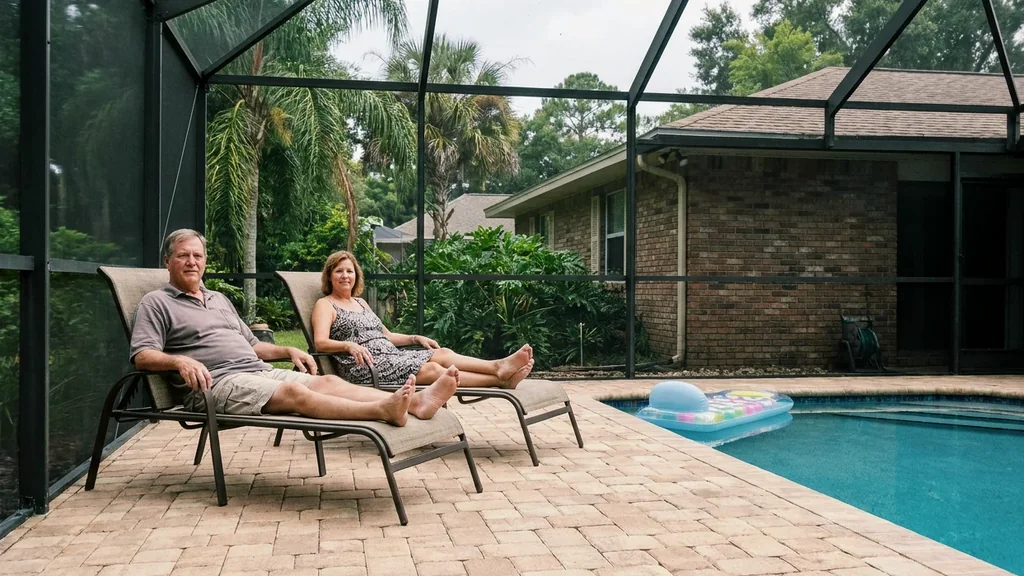
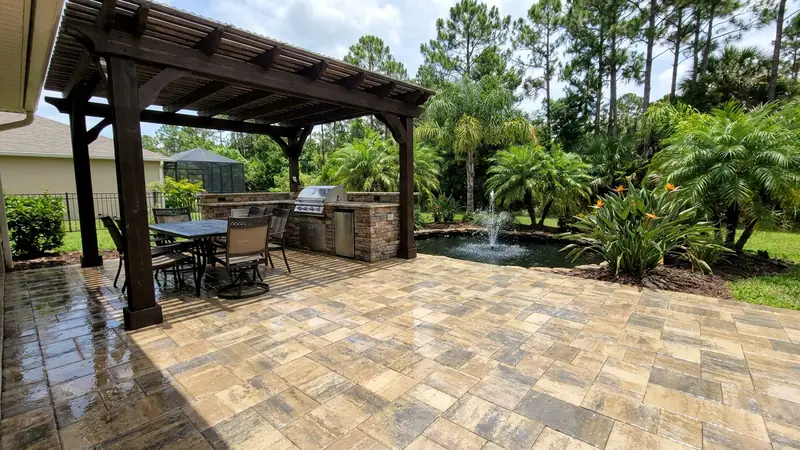
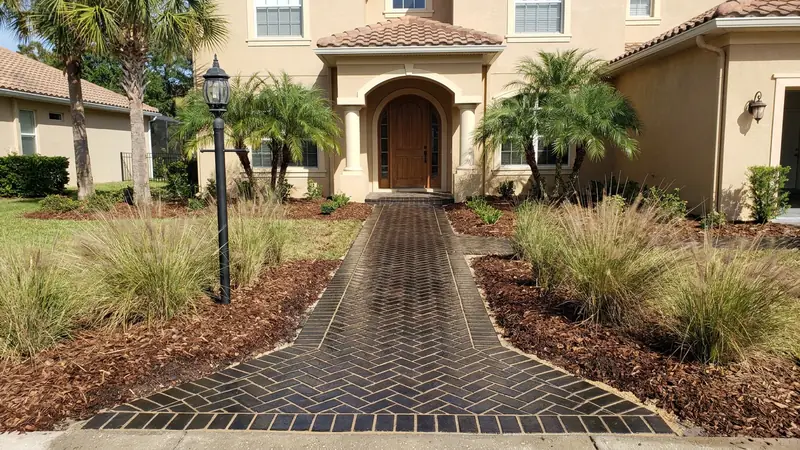
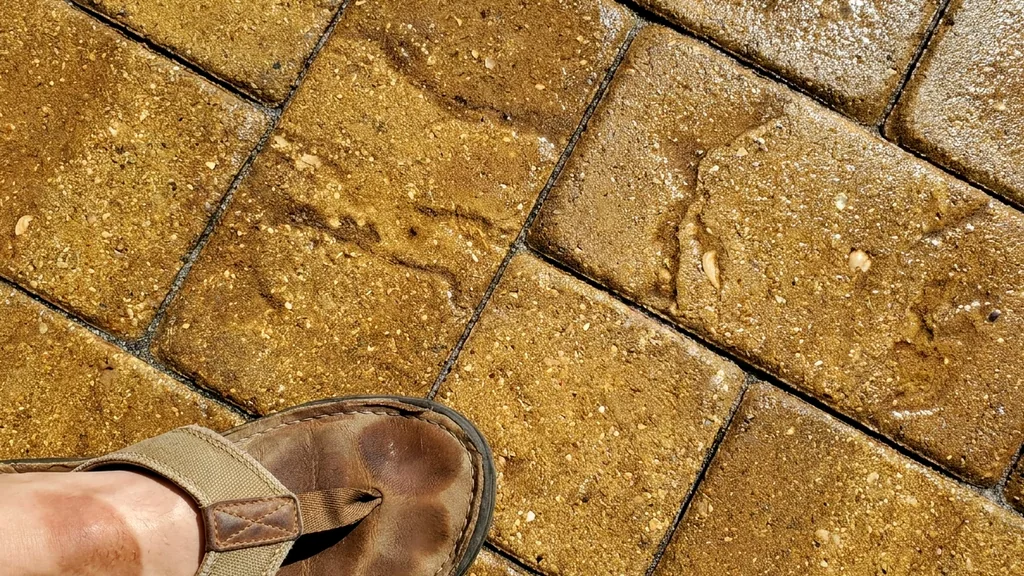
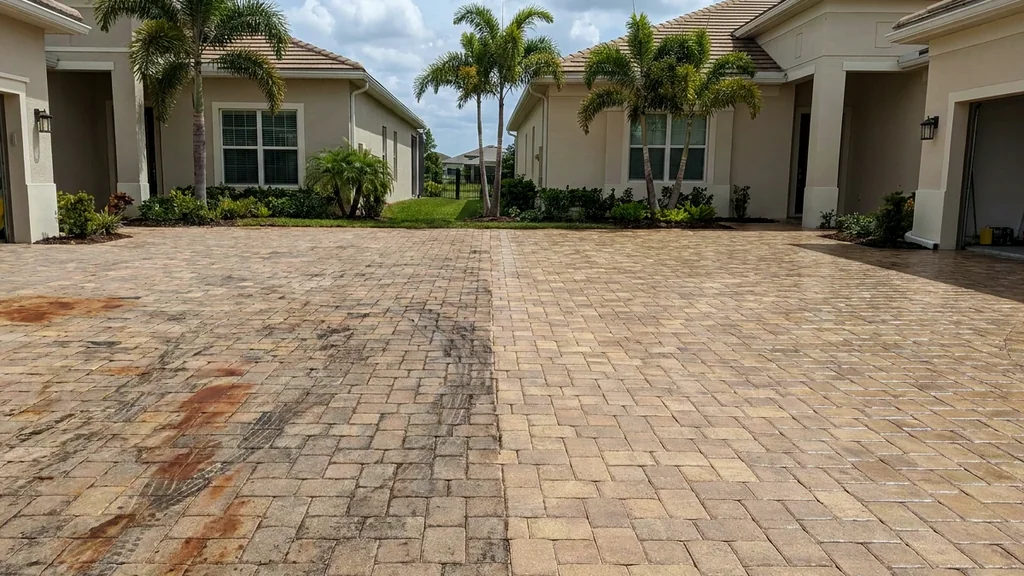
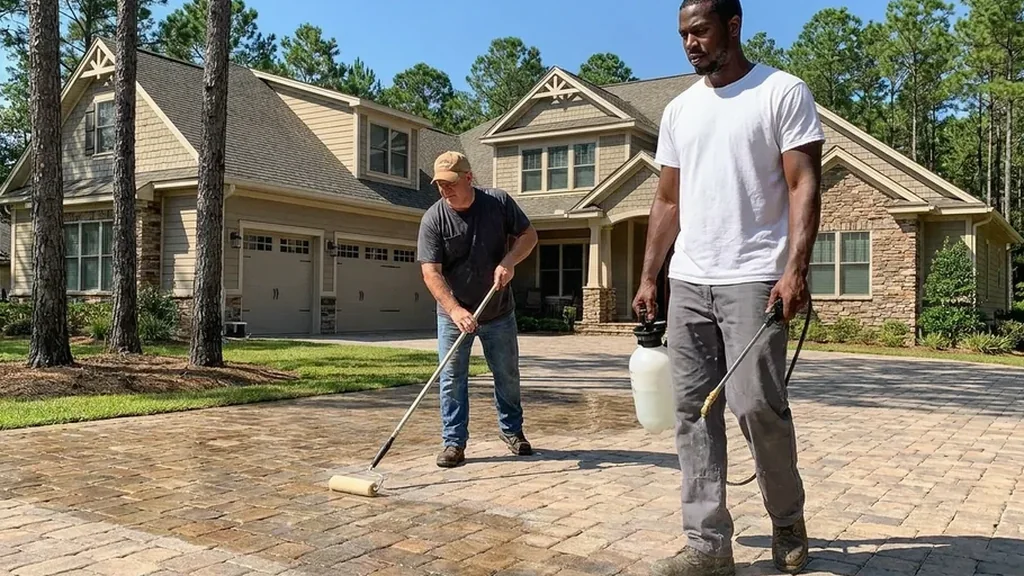
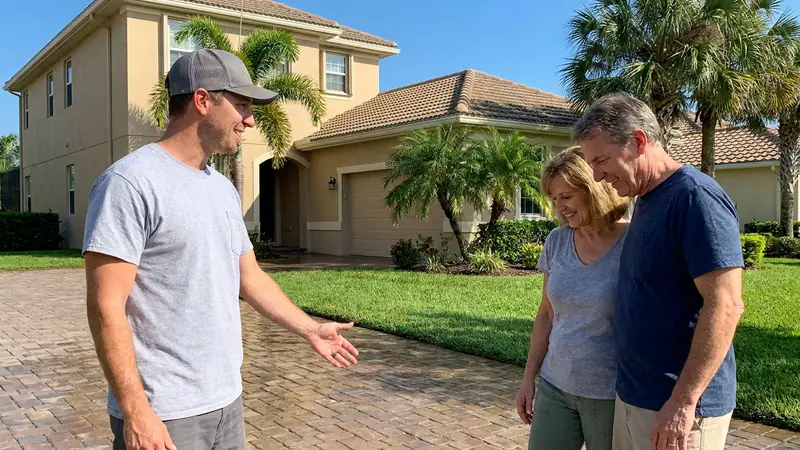
What do sealed pavers look like around Conway?
Why local matters in Conway
A contractor who works Conway keeps rinse water out of the lakes. Cleaners and runoff near a shoreline need a plan, and the contractor can describe it before work begins. To reach someone who works southeast Orange County, call (689) 334-1209.
Pool decks and dock walks are common near the water, and each needs a finish chosen for grip. A contractor who has done both can explain the trade-off between shine and traction. To see how lake damp affects the schedule, send in the short estimate form.
Conway's older streets were built long before today's sealers existed. Many pavers there have seen two or three owners, and the old coat is anyone's guess. For a yard like that, send in the short estimate form and share what you know of its past.
Is Conway an easy place to find a local paver contractor?
Yes, because Conway is a compact community with clear landmarks. Anderson Road marks the center, and the old brick Conway Road once ran to it from Orlando as one of the first five paved highways in Orange County. That route follows Briercliff Drive and Curry Ford Road today. If you live near one of those roads, send in the short estimate form.
The Randolph Boat Ramp on Randolph Avenue sits on the chain of lakes and honors the old Crittenden Dock. Surveyor Benjamin Whitner named Lake Conway in 1843, and Hoffner and Nela Avenues now divide the lakes. Belle Isle shares the water to the south. Near any of these Conway landmarks, call (689) 334-1209 and name your street.
Frequently Asked Questions
How often do you have to seal pavers in Conway?
Count on two to five years between coats, as companies commonly quote. Lakeside patios, pool decks and busy drives lean toward the short end. A cup of water on the patio in spring tells you: beads mean the coat works. Pool decks and surfaces under sprinkler spray may need attention sooner.
How much does paver sealing cost in Conway?
Budget between $1.50 and $3.00 for each square foot cleaned, sanded and sealed. Damp lake lots, algae and old sealer can move a Conway job inside that range. Put the square footage on the quote, and comparing bids gets easy. The estimate itself is free, and any pool deck or walk is added to the drive's total.
Is sealing pavers a good idea in Conway?
Yes for most homes, since sun and heavy rain wear bare pavers down. A sealed surface holds joint sand longer and slows fading, mildew and weeds. Near the lakes, where surfaces stay damp, that protection is easy to notice. It also gives a cleaner look for a long stretch, as long as the wash and sand come first.
Is there a downside to sealing pavers in Conway?
The main downsides are upkeep and timing. Sealer wears and needs a fresh coat, and a wet look shows scuffs sooner than matte. It also needs a dry surface, which can push the date back near the water. The coat slows stains and growth rather than stopping them.
Does living near the lakes change how often to reseal?
It can. Pavers that stay damp from lake air, splash and shade pick up film sooner, so they may sit at the short end of the two to five years companies quote. A water test each spring settles it for your yard: beads mean the coat works. Ask the contractor to name the finish for each surface.
Does a pool deck near the water need a different sealer?
Often, yes. A Central Florida paver page says a glossy film-forming sealer can trap moisture on a pool deck and create a slip hazard. Most pool decks there get a penetrating sealer with a non-slip additive. Traction is a safety issue, so say so when you ask for the quote.
How long before I can walk or park on sealed pavers?
One Central Florida paver page puts foot traffic at 24 to 48 hours and vehicles at about 72 hours, though weather and product can shift that. Ask your contractor for the exact timing at your Conway home. Plan the day around the weather, since rain can reset the clock.
Can I put a new coat over my old sealer in Conway?
Only if the two products match, because water-based sealer fails over a solvent-based coat. Naming the old product comes before anything else. Save any old receipt or can label you find from a past owner. A matching product keeps the new coat from peeling or turning milky.
Nearby areas we serve
Ready for a Free Estimate in Conway?
Call (689) 334-1209 and tell us about your pavers.
Free, no obligation